Understanding Paint Protection Film
What is Paint Protection Film?
Paint Protection Film (PPF) is a transparent, durable urethane film designed to shield a vehicle's exterior paint from various environmental aggressors. The film acts as a barrier against rock chips, scratches, UV rays, and other contaminants that can damage the paint. Often, this film is applied to high-impact areas such as the hood, fenders, side mirrors, and front bumper to preserve the vehicle’s aesthetic appeal. Unlike traditional car wax or sealants, PPF offers a more robust solution, boasting self-healing properties that allow it to repair minor abrasions over time.
Benefits of Paint Protection Film
The value of installing paint protection film extends beyond mere aesthetic preservation. Listed below are some significant benefits:
- Durability: PPF is engineered to withstand the rigors of everyday driving, offering long-lasting protection against the elements.
- Self-Healing Properties: Light scratches and swirl marks often disappear when exposed to heat, thanks to the advanced technology in PPF.
- UV Protection: The film acts as a shield against harmful UV rays, preventing paint from fading and oxidizing over time.
- Enhanced Resale Value: Keeping your vehicle’s exterior blemish-free can significantly boost its resale value, appealing more to prospective buyers.
- Easy Maintenance: Unlike standard paint surfaces, PPF is easier to clean. It resists dirt and grime, making routine washing a breeze.
Common Myths About Paint Protection Film
Despite its many advantages, several myths persist surrounding the use of paint protection film. Here are some of the most common misconceptions:
- Myth 1: PPF changes the color of my car's paint.
- Myth 2: PPF is only necessary for luxury vehicles.
- Myth 3: Paint protection films are too expensive for average car owners.
- Myth 4: Once applied, PPF will require constant replacement.
- Myth 5: DIY installation is just as effective as professional installation.
Choosing the Right Paint Protection Film Near Me
Factors to Consider When Selecting Film
When searching for paint protection film near me, it's essential to consider various factors:
- Thickness: Thicker films typically offer better protection against potential damage.
- Self-Healing Features: Look for films that can heal minor scratches automatically.
- Clarity: High-quality films maintain optical clarity, ensuring that the color and brightness of the car's paint are preserved.
- Warranty: Reputable film brands back their products with warranties that cover defects and performance.
Local Options for Paint Protection Film
Exploring local options for paint protection film installation requires research and due diligence. Here are steps to help identify suitable service providers:
- Check online reviews and ratings to gauge customer satisfaction.
- Contact local auto detailing shops to inquire about their PPF offerings.
- Attend car shows or automotive expos to discover PPF specialists.
- Ask for recommendations from fellow car enthusiasts or friends who have had similar work done.
Cost Expectations for Quality Installation
The cost of paint protection film installation can vary based on several factors, including the vehicle model, size of the coverage area, and labor costs. Typically, full vehicle coverage ranges from $2,500 to $5,000, while partial coverage may fall between $1,000 and $2,500. Investing in high-quality films and experienced installers can ensure durability and performance, ultimately offering better value for your investment.
Installation Process Explained
Pre-Installation Preparation Steps
Before installing paint protection film, thorough pre-installation preparation is crucial. Steps include:
- Vehicle Wash: A complete wash and decontamination to remove dirt and grime.
- Inspection: Examination of the paint surface for imperfections like scratches or dents that should be addressed prior to installation.
- Drying: Ensuring the vehicle is thoroughly dried to prevent moisture contamination during film application.
What to Expect During Installation
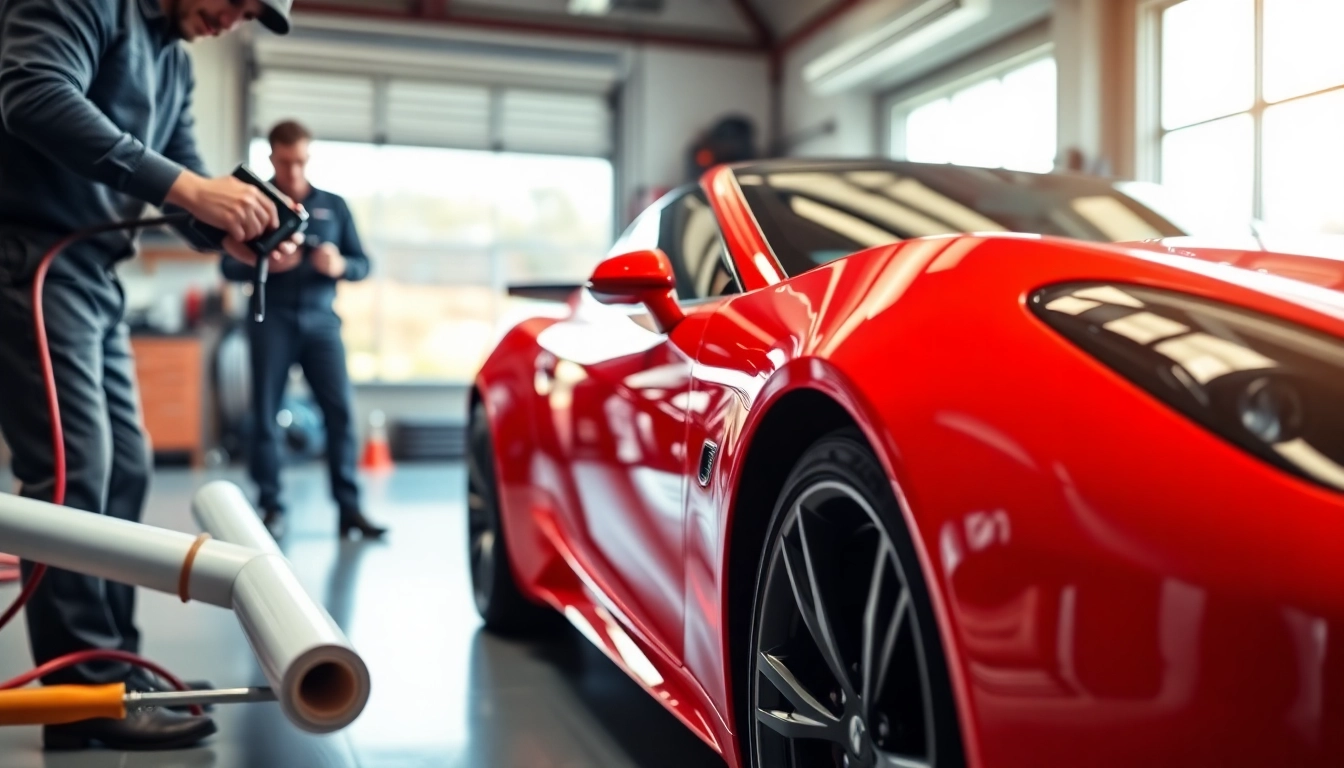
The installation process for paint protection film typically spans several hours and involves meticulous attention to detail. The technician will:
- Carefully measure and cut the film to fit the specific panels of the vehicle.
- Apply a slip solution to the surface to facilitate positioning of the film.
- Utilize specialized tools to squeegee out air bubbles and ensure a secure bond between the film and the paint.
Post-Installation Care Tips
After installation, proper care is essential to maximize the film's longevity:
- Avoid washing for at least two weeks to allow the adhesive to cure.
- Use a pH-neutral soap for regular cleaning to avoid degrading the film.
- Inspect occasionally for scratches or peeling and address issues immediately for optimal performance.
Paint Protection Film Maintenance
Routine Checkups for Longevity
Routine checkups are vital in assessing the condition of the paint protection film. Regular inspections can help catch minor issues before they escalate into significant problems. Ideally, arrange for a professional inspection every six months to ensure the film remains intact.
Cleaning Tips for Painted Surfaces
To maintain the aesthetics and durability of PPF, follow these cleaning tips:
- Gently wash the film surface using a microfiber cloth to avoid scratching.
- Utilize a soft bristle brush to clean hard-to-reach areas without damage.
- Avoid using abrasive cleaners or scrubbers, which can harm the film.
Signs You Need to Replace Your Film
Even with proper care, there may come a time when replacement is necessary. Look for signs such as:
- Yellowing: A noticeable change in color can indicate the film is degrading.
- Cracking: Visible cracks in the film suggest that it can no longer protect your vehicle effectively.
- Peeling: If any edges are starting to lift away from the paint surface, prompt action is necessary.
Frequently Asked Questions About Paint Protection Film
How Long Does Paint Protection Film Last?
Typically, high-quality paint protection film lasts between 5 to 10 years, depending on environmental factors and care.
Can I Apply Paint Protection Film Myself?
While DIY kits are available, professional installation is recommended for optimal results, as it requires specialized skills and tools.
Is Paint Protection Film Worth the Cost?
Yes, it can protect against paint damage, potentially increasing resale value and decreasing future repair costs.
How Does Paint Protection Film Affect Resale Value?
PPF can enhance resale value by keeping the paint in pristine condition, making the vehicle more attractive to buyers.
Are There Different Types of Paint Protection Film?
Yes, there are various types of PPF, including self-healing, matte finish, and high-gloss options, each designed for specific needs.