admin
admin 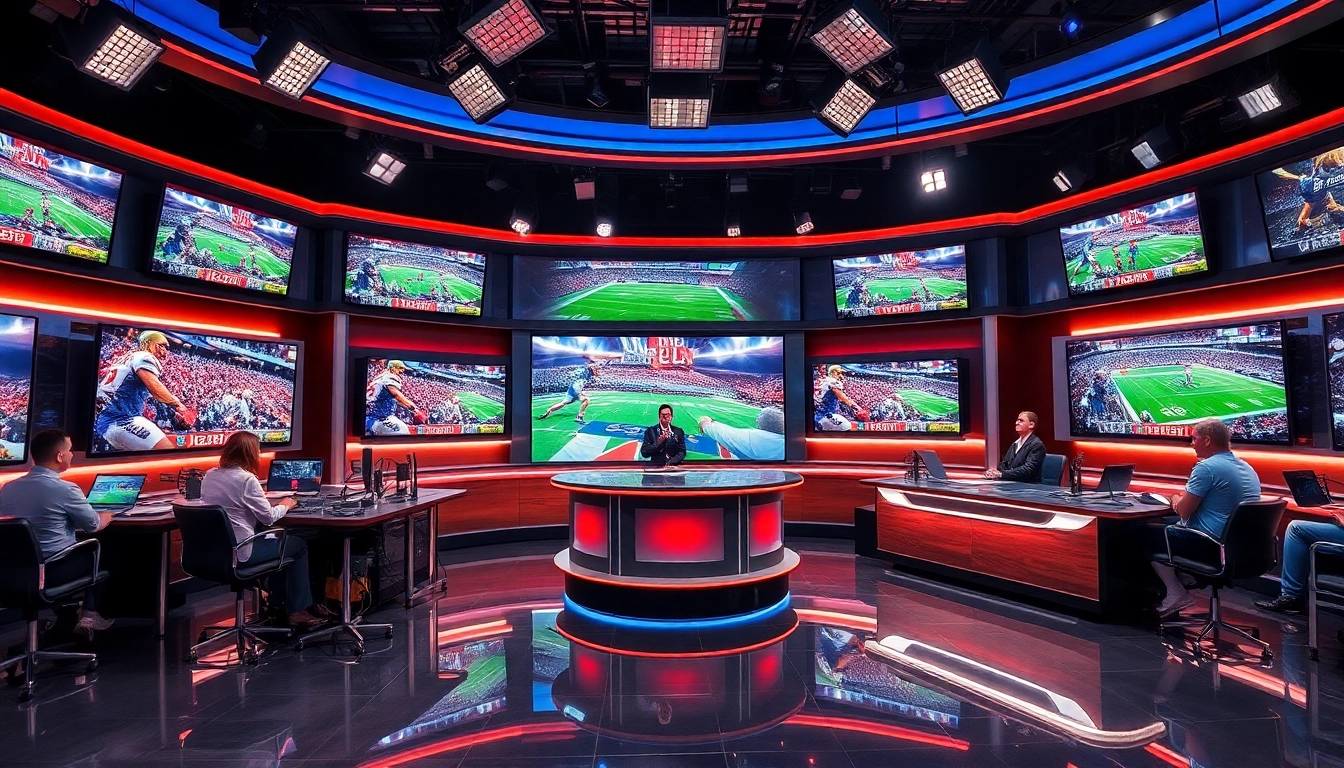
Understanding the Basics of Sports Broadcasting
What is Sports Broadcasting?
Sports broadcasting encompasses the live dissemination of sporting events, news, and related content via various mediums such as television, radio, and digital platforms. This field combines journalism, entertainment, and technology, allowing fans to experience their favorite sports in real-time, regardless of their location. The industry is driven by a complex array of partnerships, technology, and audience engagement strategies. The significance of Sports Broadcasting extends beyond entertainment, contributing deeply to the cultural fabric and economic landscape of sports.
Historical Overview of Sports Broadcasting
The origins of sports broadcasting can be traced back to the early 20th century, a time when radio broadcasts began to capture the excitement of live events. In the 1930s and 1940s, radio was the primary medium for sports news, creating a platform for audience engagement. By the 1950s, television revolutionized the landscape, allowing viewers to see games live in their homes. Key milestones include the first televised baseball game in 1939 and the establishment of ESPN in 1979, which set the stage for 24-hour sports coverage. Today, the industry continues to evolve with technology, especially with the rise of live streaming and on-demand content.
Key Roles in Sports Broadcasting
The sports broadcasting industry consists of several crucial roles that ensure smooth operations and high-quality content delivery. Key positions include:
- Commentators: They bring events to life with informative and engaging commentary, providing context and insight to the audience.
- Producers: They oversee the entire production, ensuring that the broadcast runs seamlessly and all elements are coordinated.
- Technicians: They manage the technical aspects, including camera work, sound, and live feeds to deliver high-quality broadcasts.
- Analysts: They offer in-depth analysis, breaking down plays and strategies, providing viewers with a deeper understanding of the game.
- Digital Content Creators: They create supplementary content for online platforms, enhancing fan engagement through social media and digital channels.
Technological Innovations in Sports Broadcasting
Emerging Technologies Impacting Sports Broadcasting
The sports broadcasting realm is increasingly influenced by technology, improving how fans engage with content. Innovations like 4K and 8K video resolution provide crystal-clear visuals, while multi-camera angles offer diverse viewing perspectives. Advanced audio technologies enhance commentary and sound quality, making the viewing experience immersive. Furthermore, artificial intelligence (AI) enhances graphics and real-time statistics, making broadcasts more engaging and informative.
Importance of Streaming Services in Sports Broadcasting
Streaming services have transformed the dynamics of sports broadcasting, enabling on-demand access to live games. Platforms like Hulu, YouTube TV, and dedicated sports apps have expanded viewership beyond traditional cable subscriptions, catering to a growing audience that prefers flexibility and mobility. This shift not only democratizes access to various sports but also introduces new revenue models through subscription services and advertisement targeting.
Virtual Reality and Augmented Reality in Sports Broadcasting
Virtual Reality (VR) and Augmented Reality (AR) are making waves in the sports broadcasting industry. VR offers immersive experiences, allowing fans to feel as if they are part of the action, whether that’s sitting courtside or in the stands. AR enhances real-time viewing with additional statistics and graphics displayed over live action, enriching viewer interaction. Together, these technologies are shaping the future of how fans experience sports, pushing beyond traditional boundaries.
Regulatory and Ethical Considerations in Sports Broadcasting
Content Licensing and Rights Management
Effective content licensing and rights management are vital within sports broadcasting. Networks must navigate complex agreements regarding the broadcasting rights of leagues, teams, and events. The legal landscape varies significantly across regions, requiring broadcasters to understand local regulations while negotiating terms. Failure to comply can lead to lawsuits and hefty penalties, making it essential to have thorough knowledge and meticulous strategies for rights management.
Broadcast Regulations Across Different Regions
Broadcast regulations differ around the world, influenced by national policies, cultural norms, and market dynamics. For instance, some countries have strict regulations governing advertising during live sports, especially concerning betting content. Understanding these regional differences is crucial for broadcasters to optimize content delivery and comply with legal obligations without compromising audience engagement.
Ethical Issues in Sports Broadcasting
Ethics in sports broadcasting encompass multiple layers, including the treatment of athletes, accuracy in reporting, and transparency in advertising. Broadcasters are tasked with providing unbiased coverage while also facing pressure from sponsors and advertisers. There is an ongoing discourse about the ethical responsibilities of broadcasters, especially regarding sensitive topics like injuries, scandals, and athlete privacy. Upholding ethical standards is essential for maintaining credibility and trust among viewers.
The Role of Analytics in Sports Broadcasting
Using Data Analytics to Enhance Broadcasting Strategies
Data analytics plays a crucial role in refining broadcasting strategies. By analyzing audience behavior, broadcasters can personalize content delivery and improve viewer experiences. Metrics such as viewership numbers, engagement rates, and demographic information inform decisions about content scheduling, advertising placement, and engagement tactics, ensuring a more targeted approach that resonates with audiences.
Audience Engagement Metrics for Sports Broadcasting
Understanding audience engagement metrics is vital for measuring the success of sports broadcasts. Metrics such as average view duration, social media interactions, and post-event surveys provide insights into viewer preferences and behaviors. Broadcasters can use this data to adjust programming, enhance fan participation, and ultimately build a loyal audience base that drives long-term viewership.
Predictive Analytics in Sports Events
Predictive analytics employs historical data and algorithms to forecast outcomes in sports events. This technology can help broadcasters deliver more tailored narratives about potential match outcomes, player performances, and even fan reactions. By integrating predictive analytics into their content, broadcasters can enhance viewer excitement and anticipation, subsequently driving engagement during live broadcasts.
Future Trends in Sports Broadcasting
Hybrid Models of Live Broadcasting Experiences
The merging of traditional broadcasting with digital platforms is giving rise to hybrid models of live broadcasting. This trend enhances viewer choices by allowing fans to select personalized experiences, such as customized commentary or enhanced statistics. The integration of social media into broadcasts further enriches the experience, as fans can interact and share their thoughts in real-time. This approach not only diversifies revenue streams but also strengthens community engagement.
Sustainability in Sports Broadcasting
As global awareness of environmental issues increases, sustainability in sports broadcasting has emerged as a relevant trend. Broadcasters are adopting eco-friendly practices in production, such as reducing energy consumption and minimizing waste during live events. Moreover, integrating sustainability messaging into broadcasts can resonate with socially conscious viewers, thus enhancing a brand’s reputation and connecting with modern audiences.
Impact of Social Media on Sports Broadcasting
Social media has become a game-changer for sports broadcasting, enabling instantaneous communication and direct interaction between fans and broadcasters. Platforms like Twitter and Instagram facilitate real-time updates during events, while also allowing broadcasters to enhance storytelling. Social media also serves as a venue for live interaction, creating a community atmosphere that broadens the reach and impact of sport. This influence continues to evolve, prompting broadcasters to find innovative ways to leverage these platforms for engagement.
Frequently Asked Questions
What is the primary role of a sports broadcaster?
The primary role of a sports broadcaster is to deliver live coverage of sporting events, providing commentary, analysis, and updates to enhance viewer engagement and enjoyment.
How is technology changing sports broadcasting?
Technology is changing sports broadcasting through advancements like virtual reality, streaming services, and enhanced analytics, improving viewer experiences and engagement.
What are the ethical considerations in sports broadcasting?
Ethical considerations include unbiased reporting, athlete privacy, and transparency regarding sponsorships, ensuring credibility and trust with the audience.
How can analytics help broadcasters?
Analytics helps broadcasters understand audience preferences, optimize content delivery, and enhance viewer engagement through targeted strategies and personalized experiences.
What future trends are shaping sports broadcasting?
Future trends include hybrid models combining traditional and digital broadcasting, sustainability practices, and the growing influence of social media on viewer interaction and engagement.